


What Are Seville Oranges? A Chef’s Guide to Marmalade Citrus
What Are Seville Oranges?
A Chef’s Guide to the Citrus Behind Great Marmalade
Sharp, aromatic and wonderfully distinctive, Seville oranges are the traditional winter citrus at the heart of proper marmalade.


Quick Answer: What are Seville oranges?
Seville oranges are sharp, aromatic sour oranges traditionally used for marmalade. Unlike sweet eating oranges, they have intense citrus perfume, firm peel, natural acidity and valuable pectin. As a result, they create marmalade with flavour, texture, balance and a proper set.
Every January, boxes of Seville oranges begin arriving at my kitchen in Gloucestershire. Opening the first box of the season never gets old. The air fills with intense citrus oils, the preserving pans come out and, for the next few weeks, my world revolves around marmalade.
After working with Seville oranges professionally for more than fifteen years, I have learnt that no two seasons are ever quite the same. Some years the peel is beautifully supple. In others, it is firmer, the fruit is drier or the bitterness is more pronounced. Those subtle differences are one of the reasons marmalade making remains endlessly fascinating.
Most people would not peel a Seville orange and eat it over the sink. The fruit tastes sharper, more aromatic and far more assertive than a sweet orange. In the kitchen, however, that strength is exactly what makes it so valuable.
For a marmalade maker, this winter citrus is a gift. Its peel gives structure and fragrance, while the juice brings brightness. In addition, the natural pectin helps create a proper set. Because the flavour has enough strength to survive cooking, the finished marmalade still tastes vivid in the jar.
At The Artisan Kitchen, I use Seville oranges because they give marmalade its classic backbone. They are not quiet fruit. They arrive in winter with all the subtlety of someone opening a window in January: sharp, fragrant and completely unmistakable.

What makes Seville oranges different from normal oranges?
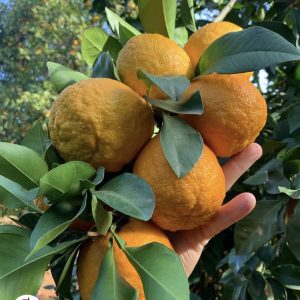
The main difference is flavour. Sweet oranges are grown to be eaten fresh, whereas Seville oranges are prized for cooking, preserving and marmalade making. They taste sharper, smell more aromatic and offer more structure, with a peel that brings real citrus depth once cooked.
A sweet orange gives juice and sweetness. By contrast, a Seville orange gives tension, fragrance, peel character and set. That difference matters enormously in marmalade.
Sarah’s kitchen note
When I cut into the first Seville orange of the season, I am already looking at the thickness of the peel, the amount of juice and how firmly the fruit is holding together. Those details give me an early clue about how that year’s marmalade is likely to behave in the pan.
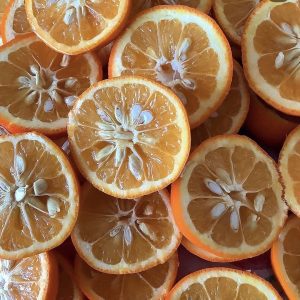
| Feature | Sweet orange | Seville orange |
|---|---|---|
| Best use | Eating fresh and juicing | Marmalade, cooking and preserving |
| Flavour | Sweet, juicy and mild | Sharp, fragrant and complex |
| Peel | Often softer and less intense | Firm, aromatic and full of citrus oils |
| Pectin | Can vary | Naturally useful for marmalade setting |
Importantly, none of these differences exists in isolation. The peel, acidity and pectin all work together. Consequently, the fruit behaves very differently during cooking. While sweet oranges often produce a softer, sweeter preserve, Seville oranges create the bright, structured flavour most people associate with traditional marmalade.
Why are Seville oranges used for marmalade?
Marmalade makers choose Seville oranges because the fruit brings the three things great marmalade needs: flavour, peel and pectin.
The juice gives brightness. The peel provides texture and aroma. Meanwhile, the pith and membranes contain natural pectin, which helps the marmalade set when cooked with sugar and acidity. In a well-made marmalade, none of these parts are accidental. Each one has a job to do.
This is why marmalade is not simply orange jam. Jam is usually made from fruit pulp. Marmalade, however, is made from citrus fruit, including the peel. That peel is not just decorative. It forms part of the flavour architecture of the preserve.
Sarah’s kitchen note
People often think marmalade is mainly about following a recipe. In reality, every batch begins by paying attention to the fruit. The peel may need longer to soften, the juice may be sharper or the natural pectin may be stronger. Experience lies in noticing those differences and adjusting before they become faults in the finished jar.
If you would like to go deeper into the technical side, I have written more about the science of marmalade and how citrus, sugar and pectin work together.
What do Seville oranges taste like?
Expect a sharp, sour, fragrant and intensely citrus-led flavour. These are not sweet in the way eating oranges are sweet. Their beauty lies in their strength.
When cooked carefully with sugar, that sharpness becomes balanced rather than harsh. The peel softens, the citrus oils open up and the finished marmalade gains its characteristic depth. Therefore, a good Seville orange marmalade should feel bright and structured, not flat or sugary.
This is one of the reasons I love working with them. They ask more of the maker. You have to understand how the peel behaves, how far to cook the fruit, how to balance the set and when to stop. It is a fruit that rewards patience, which is inconvenient but rather wonderful.
Sarah’s kitchen note
The peel is one of the first things I taste during cooking. It can look ready before it actually feels tender, so I never rely on appearance alone. A well-made marmalade should have peel with presence, but it should never feel leathery or separate from the surrounding preserve.
When is Seville orange season?
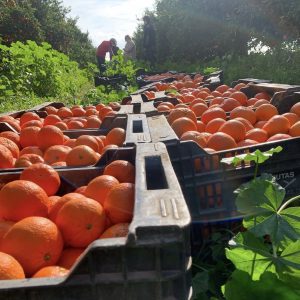
Traditionally harvested during winter, Seville oranges usually appear from late December through January and into February. However, the exact timing can vary depending on weather conditions, harvest yields and availability. As a result, many marmalade makers treat the arrival of the fruit as one of the highlights of the preserving calendar.
In the kitchen, their arrival changes everything. Boxes of fruit come in, the air fills with citrus oil and the marmalade pans come out. There is something wonderfully old-fashioned about it, in the best possible way. You cannot hurry the season. Instead, you wait for it.
For me, Seville season also creates a particular rhythm. The fruit is washed, cut, softened and cooked in stages, while batches move through the kitchen at different points in the process. It is one of the busiest times of my year, but also one of the most satisfying because the whole kitchen feels shaped by the fruit.
I have written more about this in Seville orange season and why marmalade makers wait for it.

Are Seville oranges the same as bitter oranges?
Often described as bitter oranges or sour oranges, these distinctive citrus fruits are valued for their aromatic peel, bright acidity and natural setting qualities. In marmalade making, those characteristics are exactly what give the finished preserve its personality.
I tend to think of them less as “bitter” and more as beautifully structured. Their flavour has edges, and those edges are exactly what stop marmalade becoming just another sweet spread. After all, the sugar needs something to push against.
Can you eat Seville oranges raw?
You can technically eat a Seville orange raw, but most people would not enjoy it as an eating orange. The juice tastes very sharp, so the fruit works far better in cooking, preserving and flavouring.
That is part of the magic. Some ingredients are not at their best straight from the hand. Instead, they need craft. Through slicing, soaking, cooking and balancing with sugar, this fierce little citrus becomes proper marmalade.

Why does Seville orange marmalade taste different?
This traditional marmalade tastes different because the fruit has a more pronounced citrus character than a sweet orange. It gives the finished jar a cleaner, sharper and more grown-up flavour.
The peel also matters. Fine-cut peel, thick-cut peel and the way the fruit is cooked all change the final jar. Too much cooking can flatten the citrus. Too little can leave the peel without tenderness. Ideally, good marmalade sits in the middle: bright, soft-set, aromatic and balanced.
After thousands of batches, I have learnt that the best marmalade rarely comes from chasing one dramatic quality. A very firm set, extreme bitterness or unusually thick peel may sound impressive, but every element still has to work together. The fruit should remain the clearest voice in the jar.
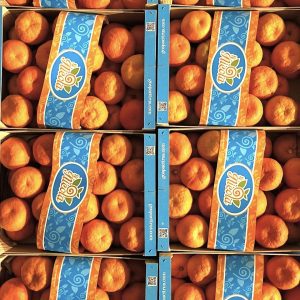
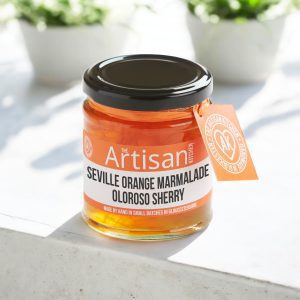
Our award-winning Seville Orange Marmalade is made by hand in small batches using a slow three-day process. That time allows the fruit to soften, the peel to settle and the flavour to develop properly.
How I use Seville oranges at The Artisan Kitchen
As a chef, I look for balance first. Seville oranges bring power, but power alone is not enough. Marmalade needs shape. It needs aroma, acidity, sweetness, peel texture and a clean finish.
At The Artisan Kitchen, I make marmalade in small batches in my Gloucestershire kitchen. The process is hands-on because marmalade does not behave exactly the same every time. Fruit changes. Peel changes. Pectin changes. Therefore, the maker has to pay attention.
That is where experience matters. Marmalade is part recipe, part judgement. You learn the look of the peel, the movement of the boil, the feel of the set and the point at which the citrus still tastes alive.
When I am deciding whether a batch is ready, I am not looking at one sign alone. I consider how the marmalade falls from the spoon, how the peel is suspended, how the aroma has developed and whether the finish is still clean. The final decision is made by all of those clues together.
If you are interested in how marmalade is judged for quality, you might enjoy what makes award-winning marmalade different.

Best ways to enjoy Seville orange marmalade
Hot buttered toast is the obvious answer, but Seville orange marmalade is much more useful than that.
Try it with warm croissants, sourdough toast, crumpets, thick Greek yoghurt or porridge. It is also excellent in baking, especially with almonds, dark chocolate, ginger, vanilla or buttery pastry.
On the savoury side, it makes a beautiful glaze for ham, duck, chicken or roasted carrots. It also works surprisingly well with cheese, especially mature cheddar, blue cheese or soft creamy cheeses.
You can browse our full range of handmade marmalades, including classic Seville orange and more unusual citrus blends.
Seville oranges and the tradition of marmalade
This winter citrus is woven into the story of British marmalade. Its short season, strong citrus character and natural suitability for preserving made it the classic choice for proper orange marmalade.
Today, marmalade can be made with many different citrus fruits, including lemon, lime, grapefruit, blood orange and bergamot. Even so, Seville orange remains the reference point. It is the citrus many marmalade makers return to when they want clarity, structure and tradition in the jar.
If you are new to marmalade, you may also find this guide useful: what is marmalade and how is it different from jam?
You might also enjoy reading more about the wider history of marmalade, from citrus preserving traditions to the jars we know today.

Chef’s note
Seville oranges are not easy-going fruit, and that is precisely why I love them. They have character. They make you work a little. However, when they are treated carefully, they create marmalade with brightness, depth and that unmistakable citrus finish that simply cannot be faked.
Everything in this guide comes from the way I select, cook, taste and refine Seville orange marmalade in my own kitchen, season after season.
Frequently asked questions about Seville oranges
What are Seville oranges used for?
Although marmalade is their most famous use, these traditional sour oranges also appear in sauces, marinades, liqueurs and preserving recipes. Their intense flavour makes them particularly useful wherever a strong citrus character is needed.
Why are Seville oranges best for marmalade?
For marmalade makers, the attraction lies in the combination of flavour, peel texture, acidity and natural pectin. Together, these qualities help create a preserve with good set, bright citrus notes and excellent balance.
When can you buy Seville oranges?
Typically available during winter, the fruit appears from late December through February. Because the season is relatively short, many makers buy their fruit as soon as it arrives and preserve it at its peak.
Are Seville oranges the same as regular oranges?
No. Regular sweet oranges are grown mainly for eating and juicing. By comparison, Seville oranges taste sharper, smell more aromatic and suit marmalade making because of their peel, acidity and natural pectin.
Can you make marmalade without Seville oranges?
Yes, marmalade can be made with many citrus fruits, including lemon, lime, grapefruit and blood orange. However, Seville oranges remain the traditional choice for classic orange marmalade because they bring such distinctive structure and flavour.
Is Seville orange marmalade the same as orange marmalade?
Seville orange marmalade is a type of orange marmalade, but not all orange marmalade is made with Seville oranges. In general, marmalade made with this traditional sour orange tastes sharper, more aromatic and more classic in character than versions made with sweet oranges.
Explore more marmalade expertise
Shop our award-winning Seville Orange Marmalade
Explore our handmade marmalades
Read more about Seville orange season
Discover the science of marmalade setting
Written by Sarah Churchill, chef and founder of The Artisan Kitchen.


